Why Your Proposal Team Is Still Seen as Admin, and How to Fix It
Published on November 13, 2026
by stargazy
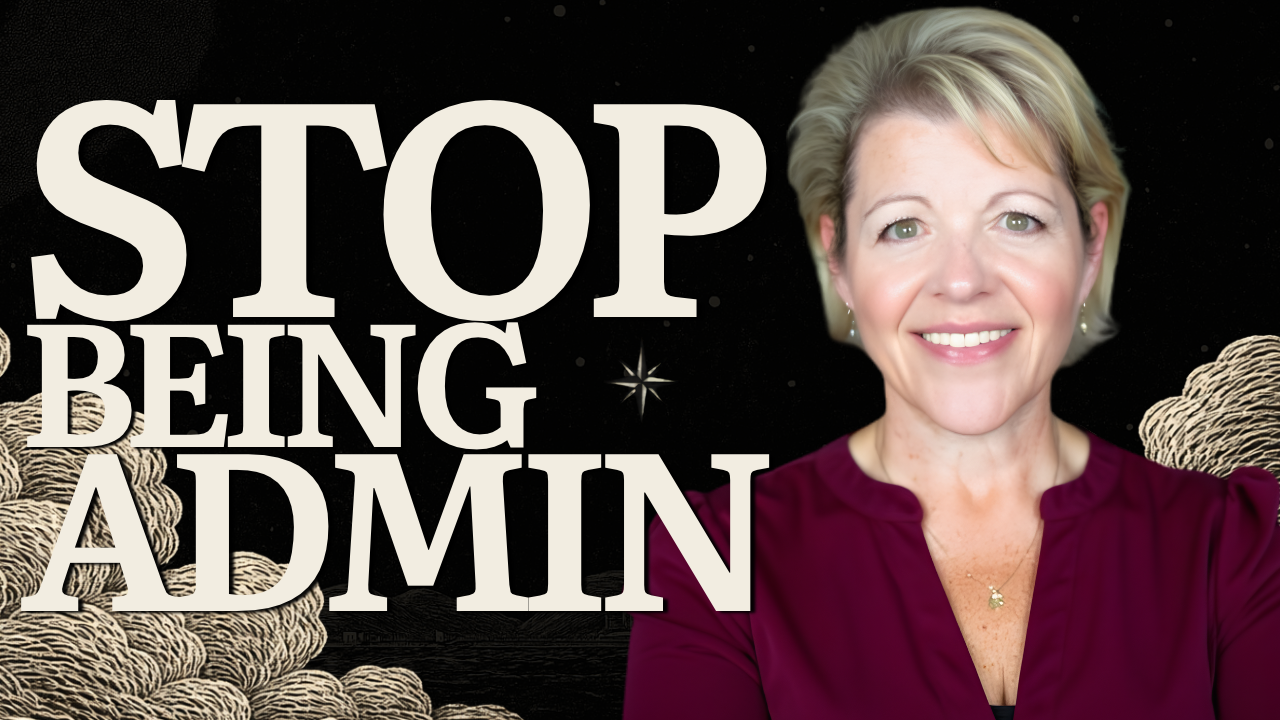
Robin Davis built proposal functions at two healthcare companies before founding Metre. Her move from sales admin to strategic leader started with a two-page report.
Summary. Organizations hire proposal teams to produce documents and then judge them on output. Robin Davis, Founder and CEO of the healthcare proposal consultancy Metre, argues that perception shifts when a proposal team behaves like a revenue function; it reports what it sees in RFPs, joins the meetings where pursuits take shape, and teaches relationship owners what a winning answer needs. None of these steps requires a new title or a bigger budget.
Proposal work was built as document work
In many organizations, the proposal team is still the last step in the sale.
Robin Davis started there. In the early 2000s, she was an administrative assistant to a sales team at a healthcare company when RFPs began to arrive. "Hey Robin, can you go find all the answers to these questions?" She found two problems on the first one. The answers were hard to track down, and she knew nothing about the customer she was writing to. "How am I going to make this really impactful if I don't know who they are?"
The admin model made sense when RFPs were occasional and small. But that model breaks when a large share of revenue runs through them, because a team that only formats answers becomes the narrowest point in the revenue process.
What is a strategic proposal function?
A strategic proposal function is a proposal team that shapes pursuits before the RFP is released and feeds what it learns from RFPs back into sales and product decisions, alongside producing compliant, tailored responses. Its outputs include market intelligence, pursuit readiness and training for relationship owners.
The test is whether sales and product leaders would notice if the team stopped reporting to them.
"You're Batman, I'm Robin. My job is to make you look like the superhero you are when you go out there in front of your clients and your customers."
The report that changed how leadership saw her
Robin says the single biggest change to her reputation came from a monthly report. It ran to two pages and covered:
New requirements appearing in RFPs that hadn't been asked for before.
Where the company was winning and losing, by market segment.
Where it was winning and losing by broker.
Capability gaps those patterns revealed.
One example was the 24-hour nurse line when it first became an industry expectation and started appearing in RFPs. The company had call centers and nurses on phones, so it could do the work, but it wasn't selling it as an offering. She wrote that out as an important product data point she wanted her leadership to know about.
She sent it to the head of every department, and someone in product called and asked how she knew so much. Her answer is true of most proposal teams, too. "We probably know more about this company than anybody else inside the organization, because by proxy of writing about us all the time, we know what's going on in every corner of the company."
The requests followed, then the meeting invitations. The report cost her little because she was tracking the data anyway, but it made all the difference to her career.
How to get your proposal team seen as strategic
Send a two-page monthly RFP trends report to every department head.
Ask for 15 minutes on existing sales and account management agendas.
Bring a useful insight or piece of research to every meeting.
Give SMEs a four-part brief (MAGIC) instead of asking for everything.
Track renewal dates and engage relationship owners six months before a recompete.
Get into the meetings where pursuits take shape
Sales meetings and account management meetings, whether monthly, quarterly or the big annual gathering. Her tactic is to go where the meeting already happens. She wants us to know the agenda and eventually a short moment to talk through what you've found.
Getting invited back depends on delivering something each time. That might be a market trend from recent RFPs, research on a client about to be discussed, or the habit of catching data that'll make your team more revenue.
Teach relationship owners what a winning answer needs
Most salespeople and SMEs have never been taught what makes a good RFP answer, so they default to including everything. Robin's MAGIC framework gives them a short brief instead:
main attributes,
the gets and gains,
indicators of success, and
competitiveness (the differentiators).
SMEs can supply these as bullets or in an interview. Proposal folks can take it from there.
Start recompetes six months out
Robin's first question on any recompete is something like, "If you think everything's okay, why are they going to RFP?" Her guidance for winning one is to own what didn't go well and explain what changed, remind the client of what you delivered over the contract, and name the work you do outside the contract scope. Where possible, encourage the buyer to write that work into the RFP so competitors have to match it.
Proposal teams can only do this if they hear about the recompete early. Renewal dates usually sit in the CRM. Pull them six months ahead and ask the relationship owner whether they expect an RFP.
Implications for proposal leaders
Perception follows behavior, and proposal teams have more raw material for strategic behavior than most functions. Robin frames the relationship with sales in a line that suits her name, "You're Batman, I'm Robin. My job is to make you look like the superhero you are when you go out there in front of your clients and your customers." The proposal team that serves sales this way earns a place in pursuit planning. The limit is capacity. A one-person team cannot do the work and the strategy at once, which makes the funding case the next problem to solve.
FAQ
How do proposal managers become more strategic?
By reporting RFP trends and win/loss patterns to sales and product leaders, joining sales and account meetings, and engaging before the RFP is released.
What is the MAGIC framework for proposals?
Robin Davis's value proposition brief: main attributes, gets and gains, indicators of success, and competitiveness.
What should a monthly RFP trends report include?
New requirements, wins and losses by segment and by buyer or broker, and capability gaps.
When should a proposal team start on a recompete?
About six months before contract renewal, using renewal dates from the CRM.
Which meetings should proposal leaders attend?
Sales meetings and account management meetings, including quarterly and annual reviews.
Want to read more about winning RFPs?
Read The Stargazy Brief, stargazy's free newsletter for proposal and capture professionals.

stargazy
stargazy is the win intelligence company, an independent analyst firm covering the capture and proposal industry. We measure why teams win and lose competitive RFPs across thousands of organizations. We use this knowledge to train teams on how to win RFPs with automation and simplified, proactive workflows.